
Ultimate Outdoor Hardscaping Products for Functional and Elegant Spaces
Browse top-tier hardscaping options designed to enhance usability and aesthetic appeal in any outdoor setting.
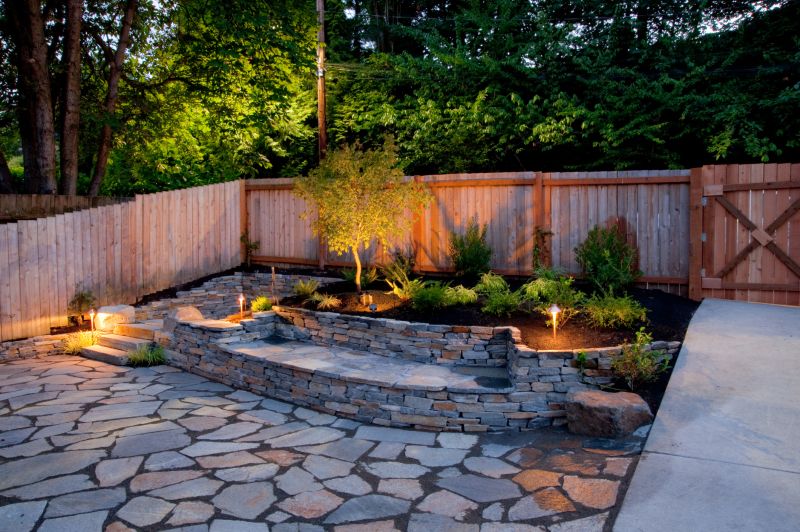 Outdoor hardscaping encompasses a variety of durable materials and products designed to enhance the functionality and aesthetic appeal of exterior spaces. From patios and walkways to retaining walls and fire pits, these hardscape elements serve as the foundation for outdoor living areas. Selecting the right products involves understanding their purpose, material composition, and installation requirements to ensure longevity and safety. Whether creating a welcoming patio for gatherings or a practical pathway through a garden, the right hardscape products can transform outdoor environments into inviting, functional spaces.
Top Overall Option
Interlocking Concrete Pavers
Interlocking concrete pavers are a versatile and durable choice for various outdoor hardscaping projects. Their design allows for easy installation and replacement, making them suitable for patios, walkways, driveways, and more. Available in a wide range of colors, shapes, and sizes, they can be customized to match different aesthetic preferences. Their interlocking nature provides stability and strength, helping to distribute weight evenly and resist shifting over time. Properly installed, they can offer a long-lasting and visually appealing surface for outdoor spaces.
Types of Products For Outdoor Hardscapings
Concrete Pavers
Concrete pavers are a popular choice for creating durable and customizable outdoor surfaces, suitable for patios and pathways.
Natural Stone
Natural stone offers a timeless look and is often used for retaining walls, steps, and decorative features.
Brick Pavers
Brick pavers provide a classic appearance and are commonly used for walkways, patios, and driveways.
Flagstone
Flagstone is a natural sedimentary stone used for patios, walkways, and stepping stones, valued for its aesthetic appeal.
Retaining Wall Blocks
Retaining wall blocks are designed to hold back soil and create terraced landscapes or garden beds.
Stamped Concrete
Stamped concrete mimics the look of stone or brick and is used for patios and driveways with decorative patterns.
Decking Tiles
Outdoor decking tiles are modular and easy to install, ideal for creating raised platforms or patios.
Drainage Systems
Drainage solutions include gravel, perforated pipes, and drainage mats to prevent water accumulation.
Edging Materials
Edging helps define hardscape boundaries and prevents shifting of materials.
Sealants and Finishes
Sealants protect surfaces from weathering, staining, and wear, extending their lifespan.
Fire Pits and Features
Fire pits and outdoor features add ambiance and functionality to hardscaped areas.
Outdoor Lighting
Lighting enhances safety and aesthetics for outdoor hardscape features during evening hours.
Steps and Stairs
Outdoor steps and stairs facilitate elevation changes and add architectural interest.
Pergolas and Arbors
Structural elements like pergolas and arbors provide shade and define outdoor spaces.
Popular Choices
Concrete pavers are widely used for their versatility and ease of installation across various outdoor surfaces.
Natural stone remains a favored option for its aesthetic appeal and durability in outdoor settings.
Brick pavers are popular for their classic look and suitability for different hardscape projects.
Flagstone is appreciated for its natural appearance and is often chosen for walkways and patios.
Retaining wall blocks are commonly used to create functional and decorative landscape features.
Stamped concrete offers decorative options for driveways and patios with textured patterns.
Outdoor decking tiles are popular for quick and modular patio or balcony setups.
Drainage gravel is frequently used to manage water runoff and protect hardscape foundations.
Edging materials like plastic or metal are commonly chosen to define garden beds and pathways.
Lighting fixtures designed for outdoor use are trending for enhancing nighttime usability.
Fire pits are increasingly popular as focal points for outdoor gathering spaces.
Stairs designed for outdoor use are essential for multi-level landscapes and patios.
Pergolas are favored for providing shade and defining outdoor seating areas.
Weather-resistant outdoor seating complements hardscape features and encourages outdoor living.
Materials commonly used in outdoor hardscaping include concrete, natural stone, brick, and pavers. Each material offers unique characteristics, such as texture, color options, and ease of installation. For example, concrete pavers are versatile and relatively easy to install, making them popular for various applications. Natural stone provides a timeless, rustic appearance, often preferred for retaining walls or decorative features. Proper selection and installation of these materials can significantly impact the durability and visual appeal of the outdoor area.
Beyond the primary materials, accessories like edging, sealants, and drainage solutions contribute to the overall success of a hardscape project. Edging helps define spaces and prevent shifting of materials, while sealants can protect surfaces from weathering and staining. Adequate drainage solutions are essential to prevent water accumulation and damage over time. Considering these additional elements during planning can help ensure the hardscape remains functional and attractive for years to come.
Investing in quality products tailored to specific outdoor needs can make a noticeable difference in project outcomes. Whether designing a simple walkway or a complex patio system, understanding the variety of available products and their applications is key. Proper planning, combined with the right selection of materials and accessories, can lead to a durable, low-maintenance outdoor space that enhances the overall property value and enjoyment.
Key Buying Considerations
- Material durability and suitability for your climate conditions
- Intended use of the hardscape area, such as foot traffic or vehicle load
- Ease of installation and whether professional help is needed
- Aesthetic compatibility with existing landscape and architecture
- Maintenance requirements and long-term upkeep
- Slip resistance and safety features, especially around water or stairs
- Drainage and water runoff management to prevent pooling or erosion
- Color options and how they complement your outdoor environment
- Availability of matching accessories like edging, sealants, and lighting
- Cost considerations including installation and potential future repairs
- Environmental factors that may affect material choice, such as freeze-thaw cycles
- Compatibility with other outdoor features like fire pits, seating, and lighting
- Warranty or guarantee offered by the supplier or manufacturer
- Local building codes and regulations that may influence material selection
- Environmental impact of materials used, if relevant to your preferences