Optimal Seasons for Outdoor Hardscaping
Outdoor hardscaping involves the installation of durable surfaces such as patios, walkways, and retaining walls. Proper planning and timing are essential to ensure longevity and optimal results. The best time to undertake outdoor hardscaping projects depends on various climatic and environmental factors.
Spring and early fall are ideal due to moderate temperatures and lower precipitation, allowing materials to set properly.
Avoid extreme cold or heat, as freezing temperatures can damage materials, and excessive heat can hinder curing processes.
Dry soil conditions facilitate better excavation and installation, reducing the risk of shifting or settling over time.
Timing projects to allow sufficient curing time prevents issues like cracking or shifting in finished surfaces.
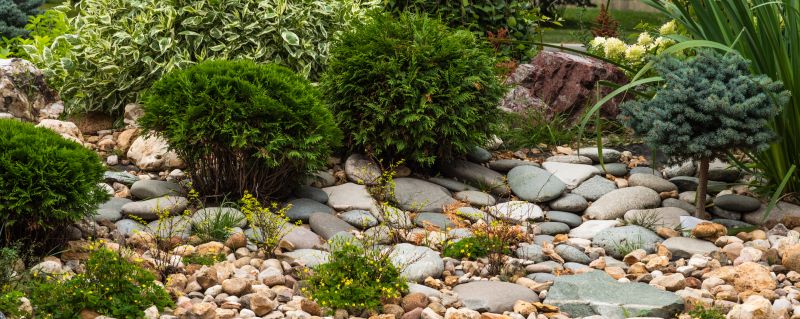
Spring offers moderate temperatures ideal for installation and curing.
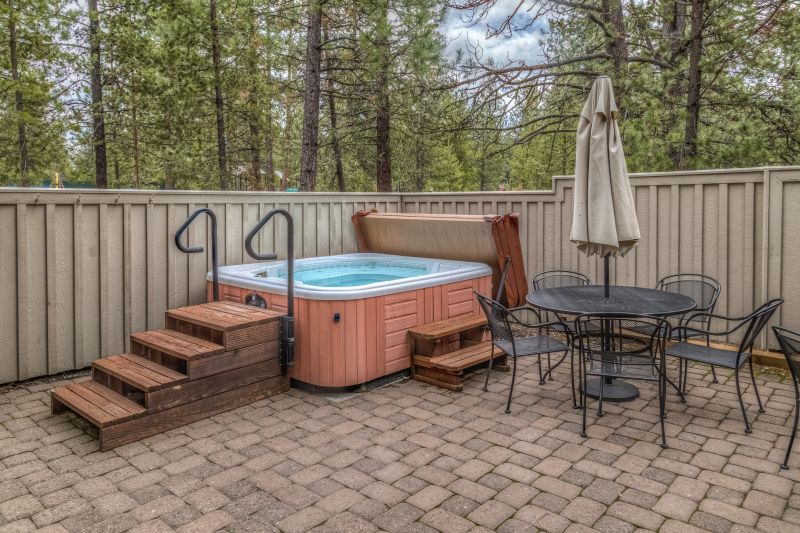
Early summer can be suitable if temperatures are manageable and weather is predictable.
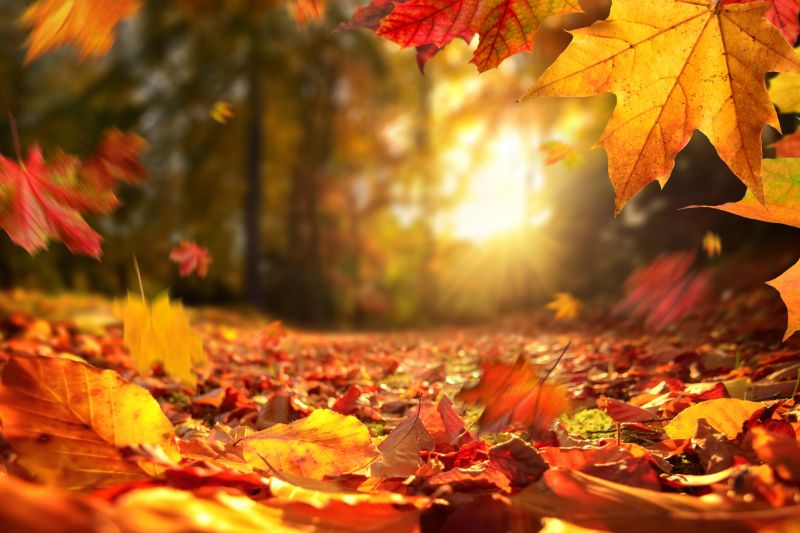
Fall provides cooler weather and less rain, suitable for completing projects before winter.
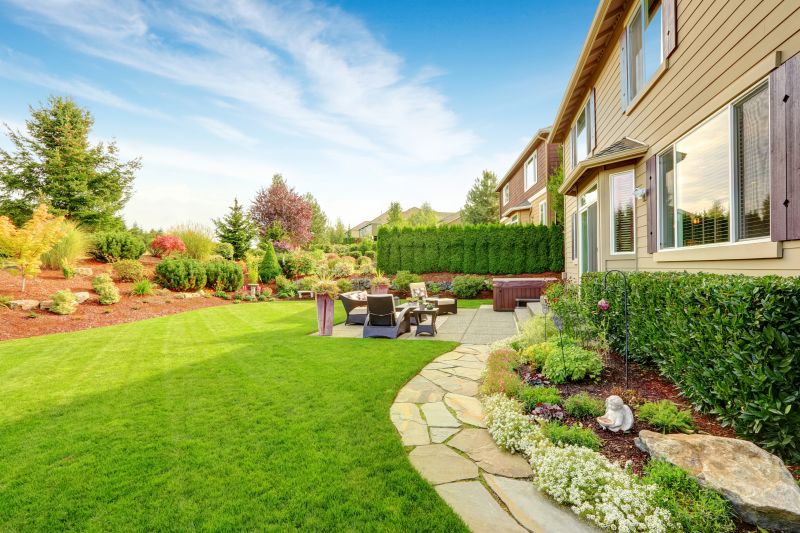
Ways to make Outdoor Hardscapings work in tight or awkward layouts.
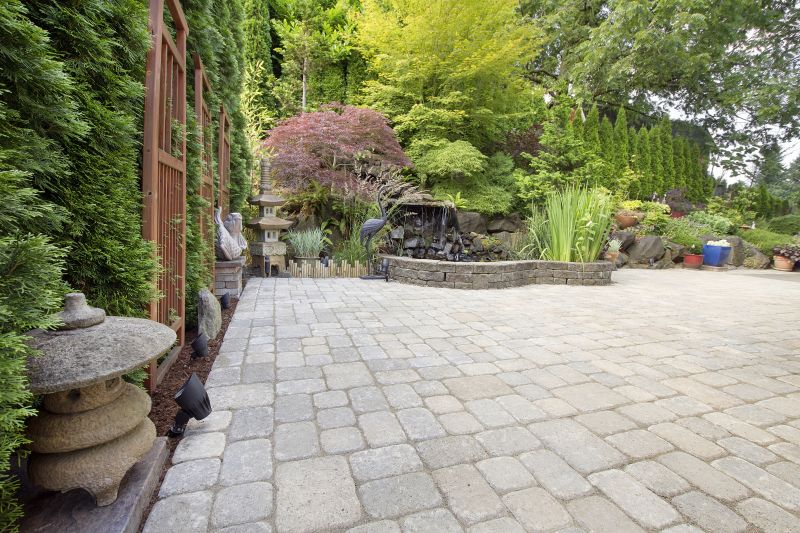
Popular materials for Outdoor Hardscapings and why they hold up over time.
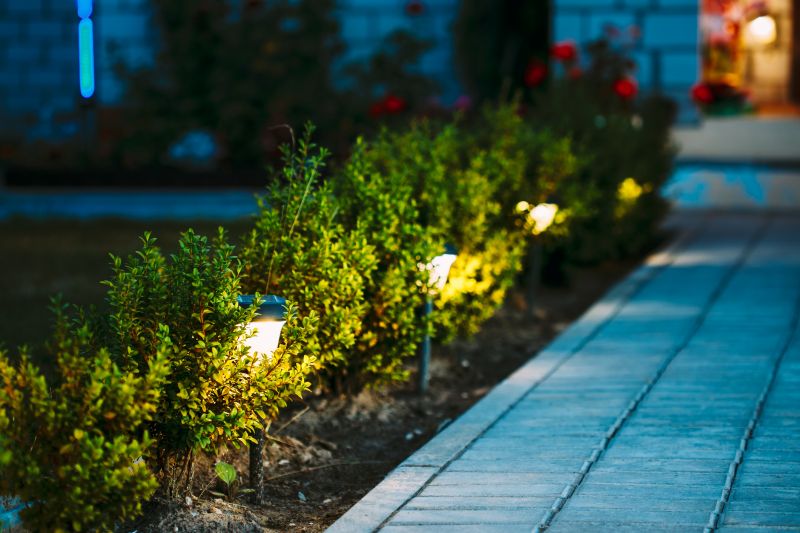
Simple add-ons that improve Outdoor Hardscapings without blowing the budget.
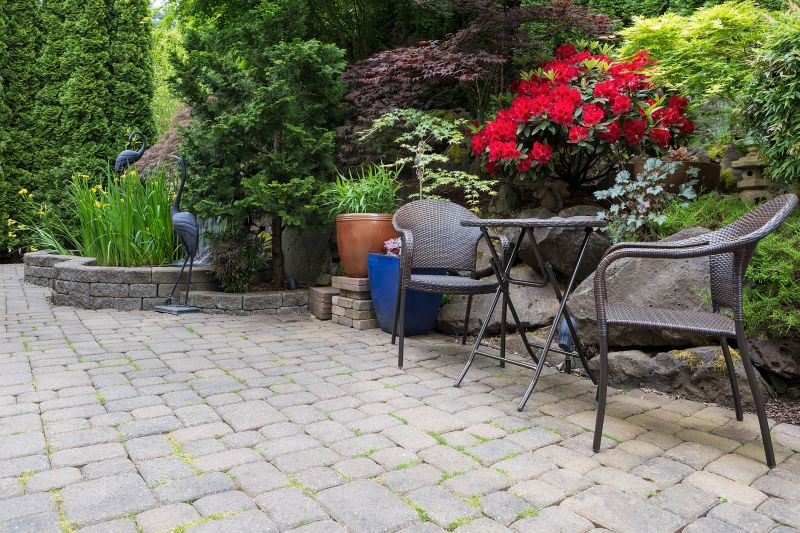
High-end options that actually feel worth it for Outdoor Hardscapings.
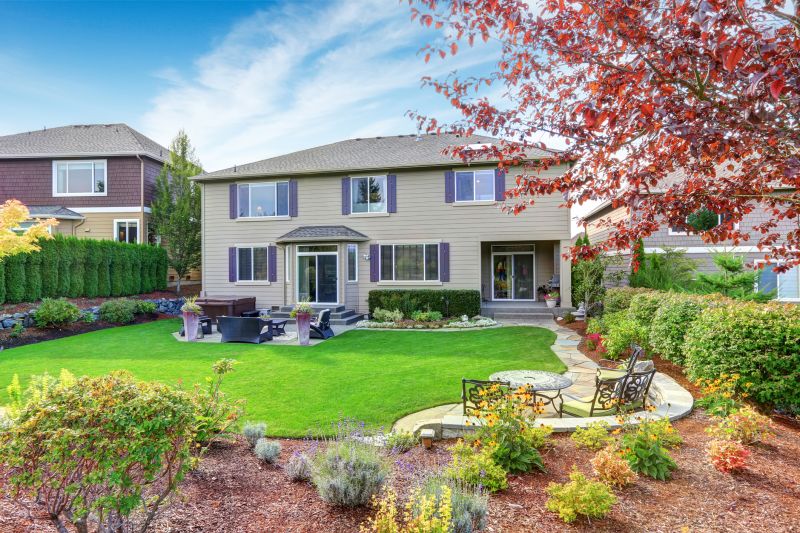
Finishes and colors that play nicely with Outdoor Hardscapings.
| Season | Advantages |
|---|---|
| Spring | Moderate temperatures, optimal curing conditions |
| Summer | Longer daylight hours, flexible scheduling |
| Fall | Cooler weather, less rain, ready before winter |
| Winter | Not recommended due to freezing temperatures and snow |
Outdoor hardscaping enhances the functionality and aesthetics of outdoor spaces. Proper timing ensures that materials such as concrete, pavers, and stone are installed under optimal conditions, reducing the risk of damage and the need for repairs. Weather patterns and soil conditions significantly influence project success, making season selection a crucial aspect of planning.
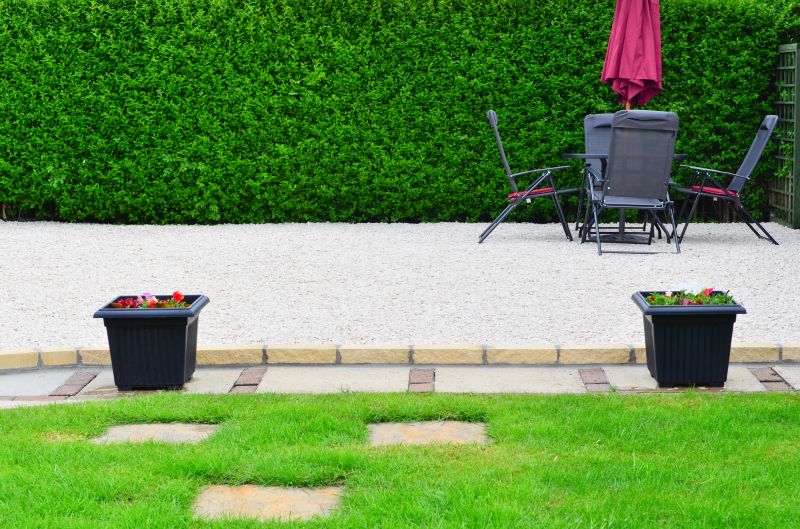
Spring and fall are preferred for installing patios due to favorable weather.
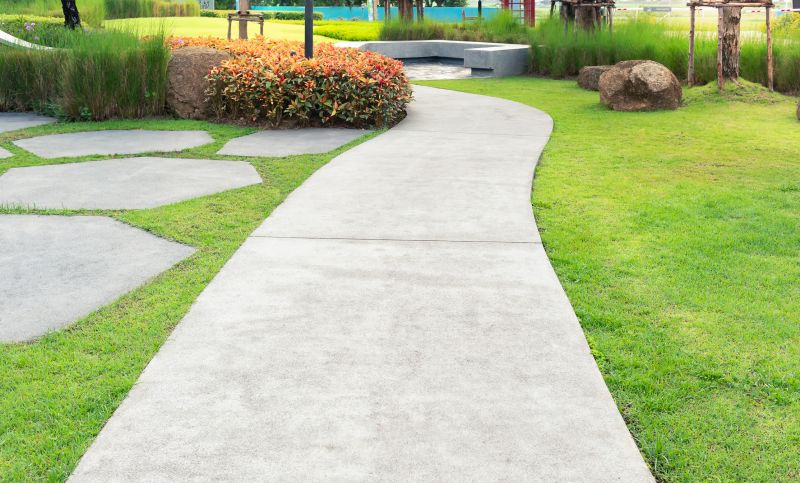
Timing during moderate weather helps ensure proper setting and durability.
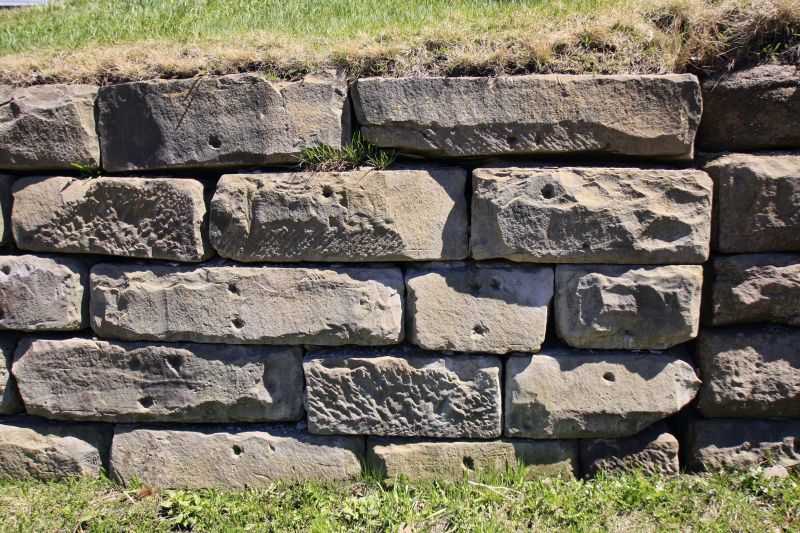
Installation in dry, mild weather prevents shifting and settling issues.
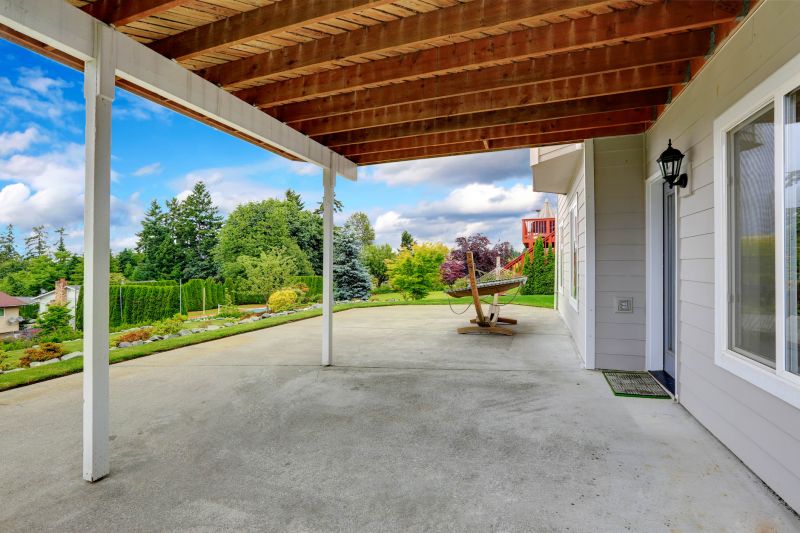
Planning during optimal seasons maximizes longevity and visual appeal.
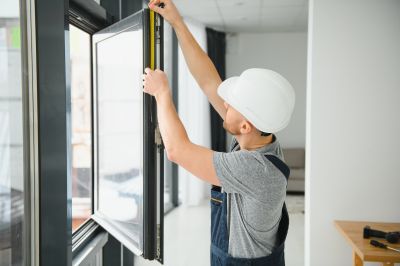
Little measurements that prevent headaches on Outdoor Hardscapings day.
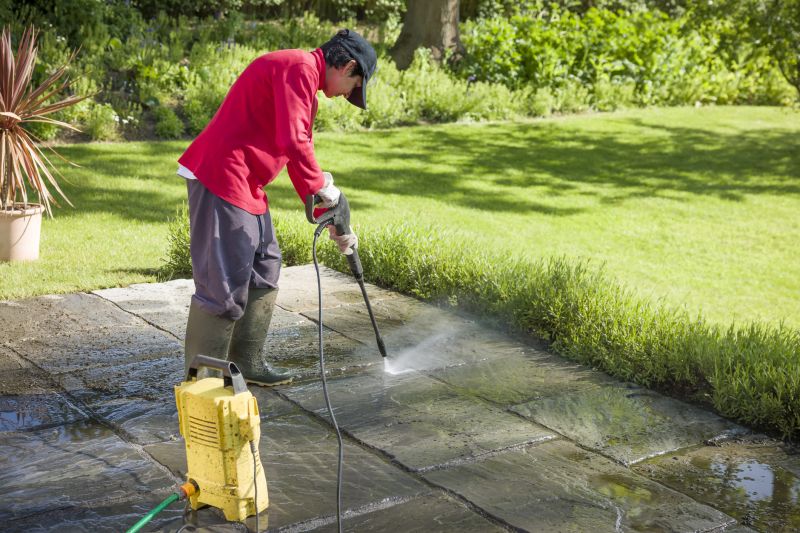
A 60-second routine that keeps Outdoor Hardscapings looking new.
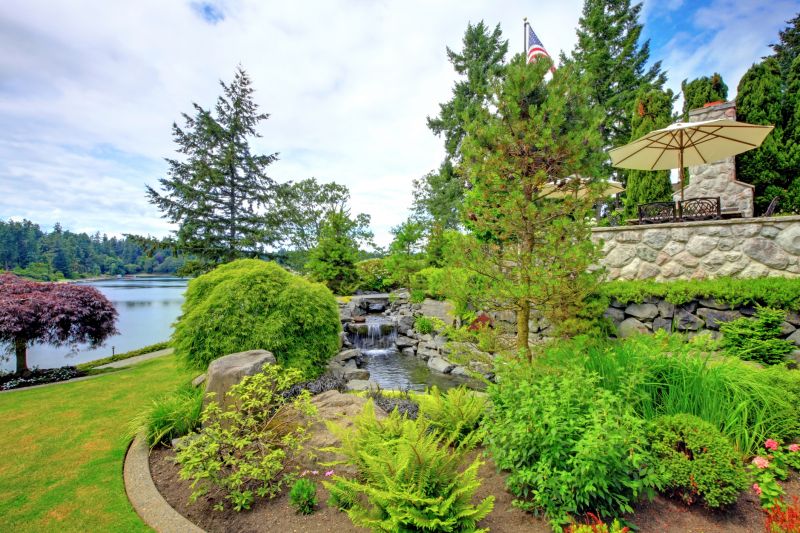
A frequent mistake in Outdoor Hardscapings and how to dodge it.
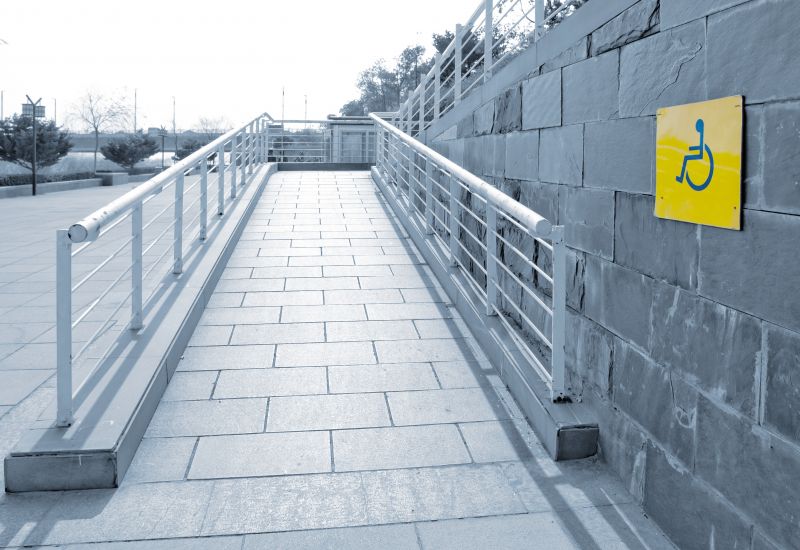
Small tweaks to make Outdoor Hardscapings safer and easier to use.
Choosing the right time for outdoor hardscaping projects can influence both the quality of the installation and the durability of the finished surfaces. Proper preparation, weather considerations, and material curing times are vital for a successful outcome.
Interested in outdoor hardscaping options? Filling out a contact form can provide tailored guidance and help plan the ideal timing for a project.